Bioinformatics services for omics research
Two datasets do not ask the same question, and a single pipeline does not answer them all. Each analysis below is a starting point: the actual workflow is designed around your data, your organism and the answer you are looking for.
Genomics data analysis
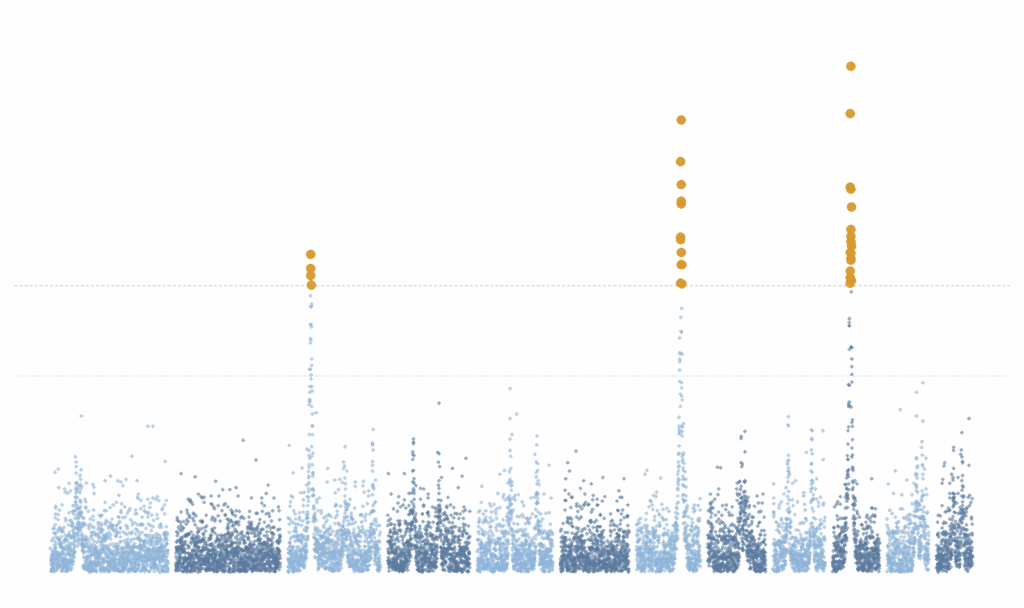
DNA sequencing reveals what a genome contains and what makes it different. We analyze whole-genome and whole-exome data for variant discovery, genome assembly and annotation, structural variation and population genetics, in any organism.
Transcriptomics data analysis
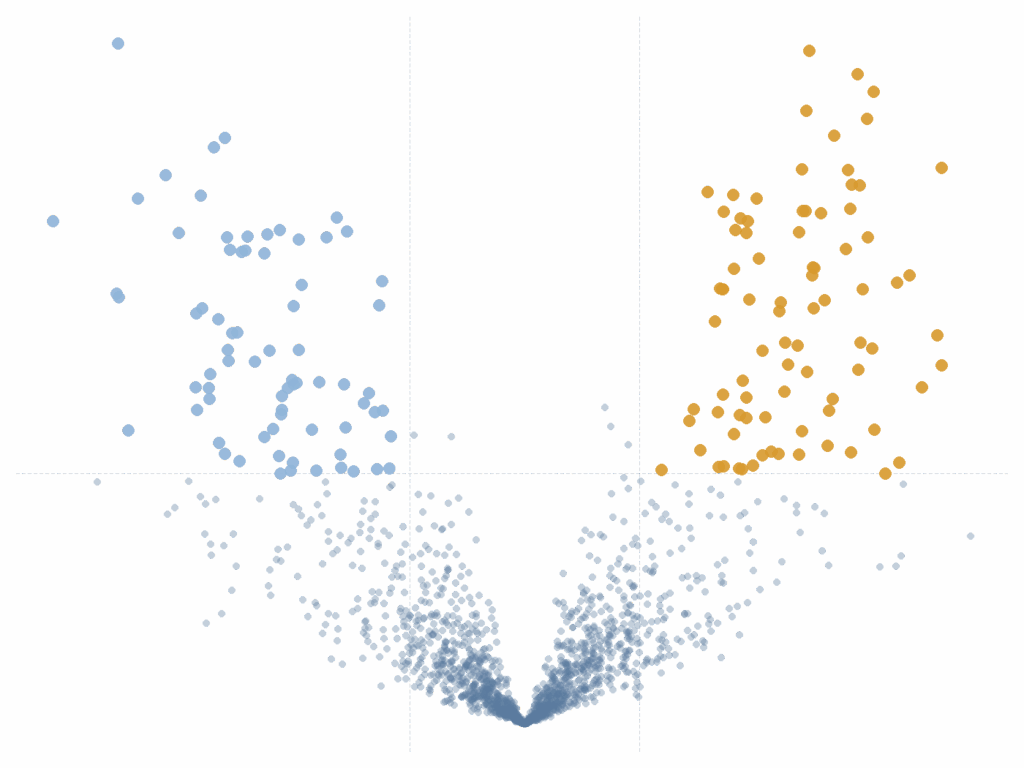
Gene expression is where the genome comes alive. We analyze bulk and single-cell RNA-seq data: differential expression, pathway and enrichment analysis, cell population characterization and expression dynamics across conditions, tissues and time.
Metagenomics & microbiome analysis
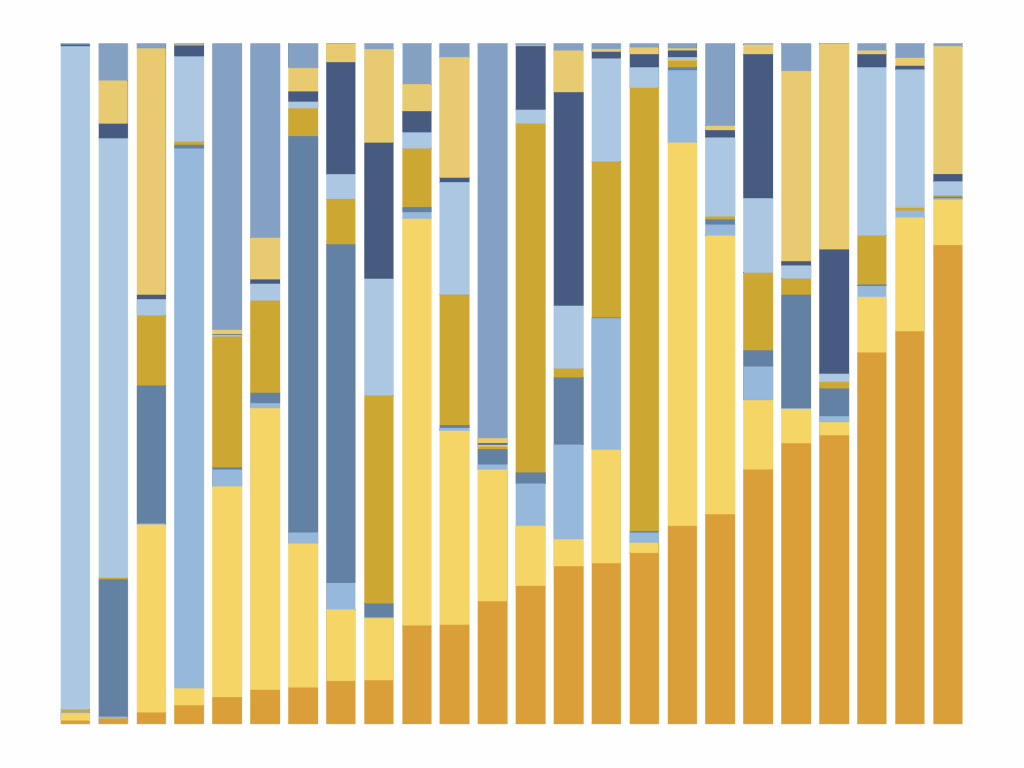
Microbial communities are ecosystems, and analyzing them requires methods built for that complexity. We work with 16S and shotgun metagenomic data: taxonomic and functional profiling, genome reconstruction (MAGs), and comparative analyses grounded in statistics designed for compositional data.
Proteomics & metabolomics analysis
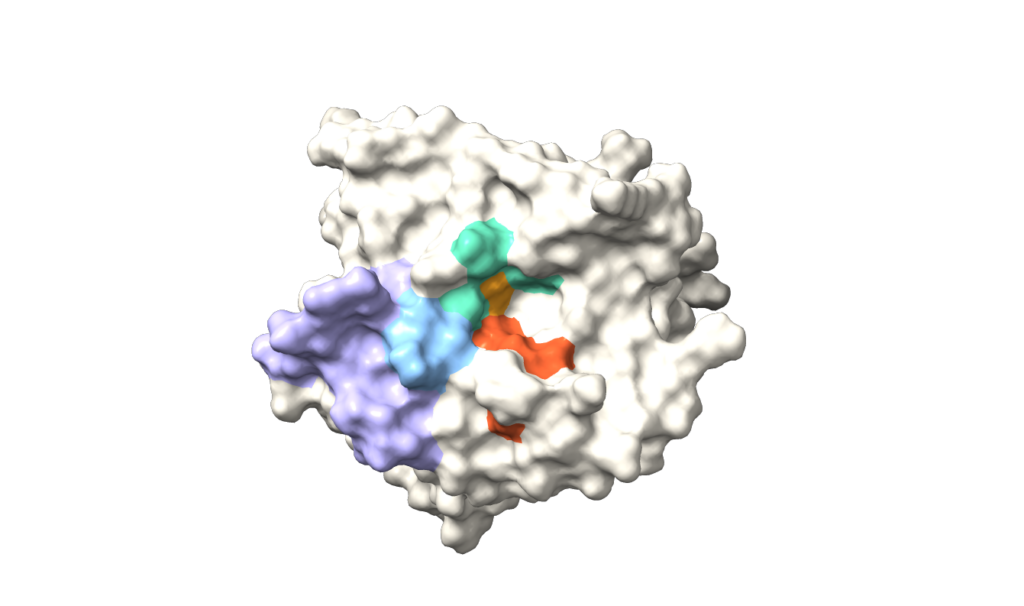
Proteins and metabolites show what a biological system is actually doing and their structure explains how. We map pathways and molecular signatures from mass-spectrometry data, and predict protein structures from sequence to investigate binding sites, mechanism and drug targets
Epigenomics data analysis
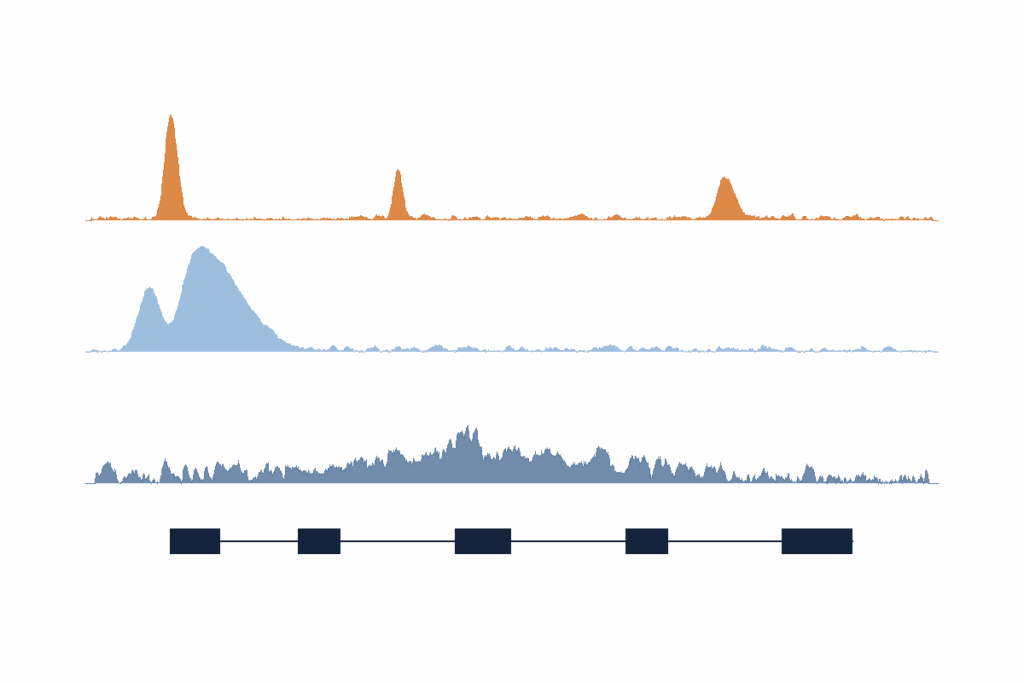
The same genome can produce very different outcomes: epigenomics explains how. We analyze ChIP-seq, ATAC-seq and methylation data to characterize chromatin state, map regulatory elements and understand how gene expression is controlled.
Multi-omics integration
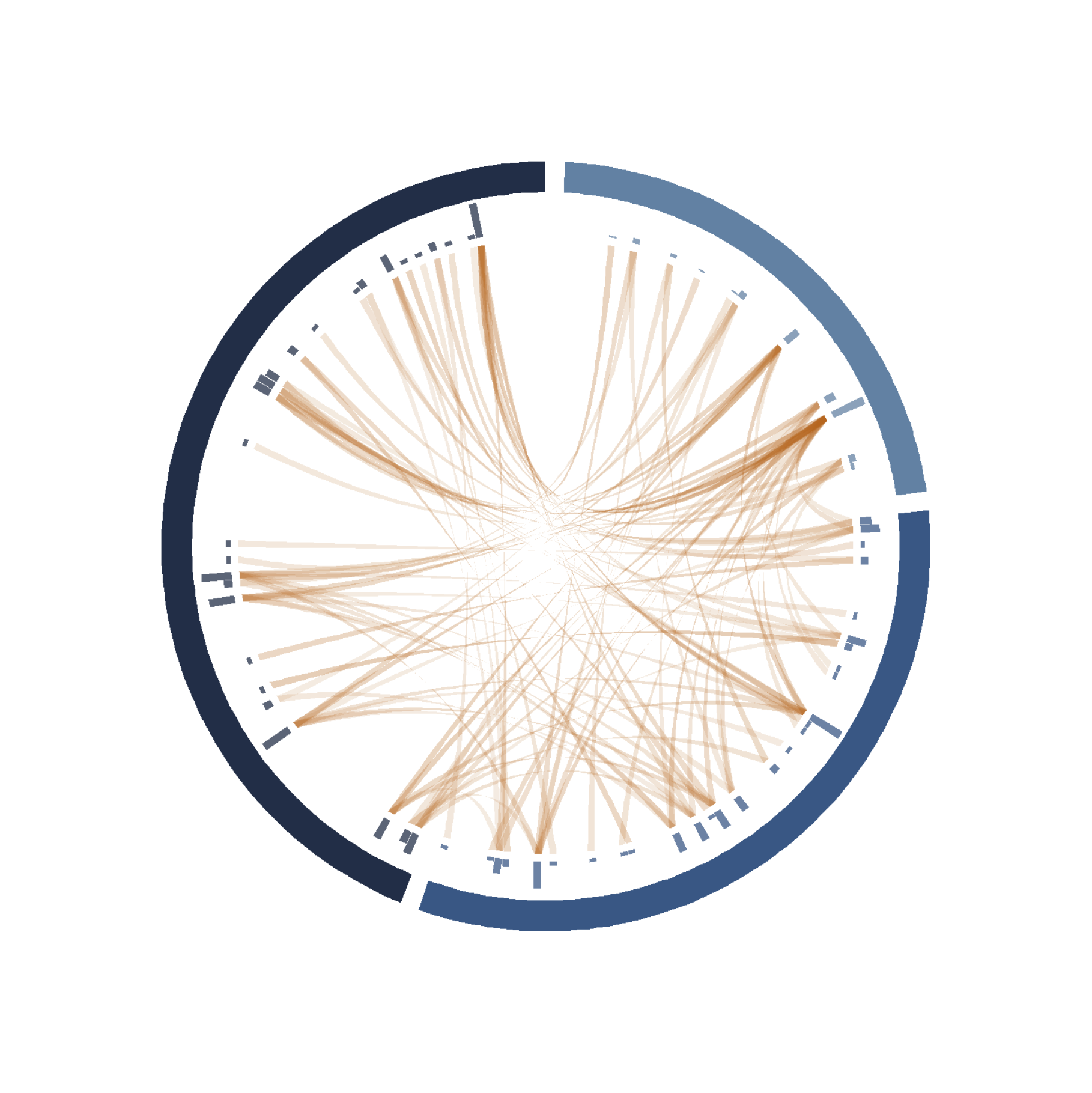
Each omics layer tells part of the story; the biology emerges where they meet. We integrate genomic, transcriptomic, metagenomic and other data layers into a systems-level view, from cross-omics correlation to predictive machine-learning models.
Don’t see your analysis here?
The most interesting projects rarely fit a category. If your data or your question doesn’t match anything above, that’s a good reason to write, not a reason not to.